
A Primer on Roget’s Thesaurus
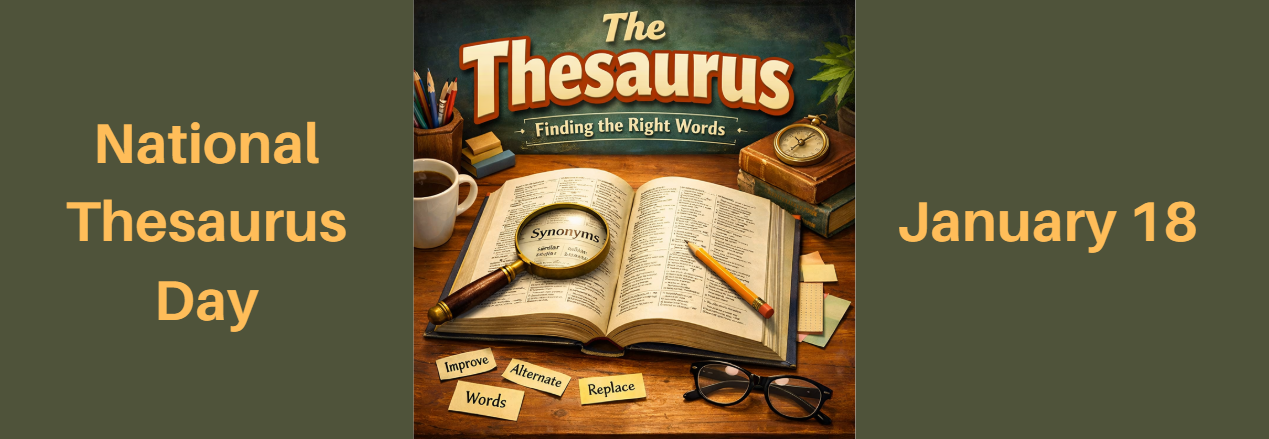
In honor of National Thesaurus Day on January 18, we’re celebrating Mr. Roget and his famous book of words.
Sources:
Smithsonian Magazine: “Before He Wrote a Thesaurus, Roget Had to Escape Napoleon’s Dragnet,” published May 2021 (https://www.smithsonianmag.com/arts-culture/roget-gets-last-word-180977459/)
The University of Edinburgh’s short biography (https://www.ed.ac.uk/about/people/plaques/roget)
Introduction to Bartlett's Roget's Thesaurus, reprint, published September 2003 by Little Brown and Company (https://www.ebay.com/itm/326483518513?chn=ps&mkevt=1&mkcid=28&google_free_listing_action=view_item)
Who Was Roget?
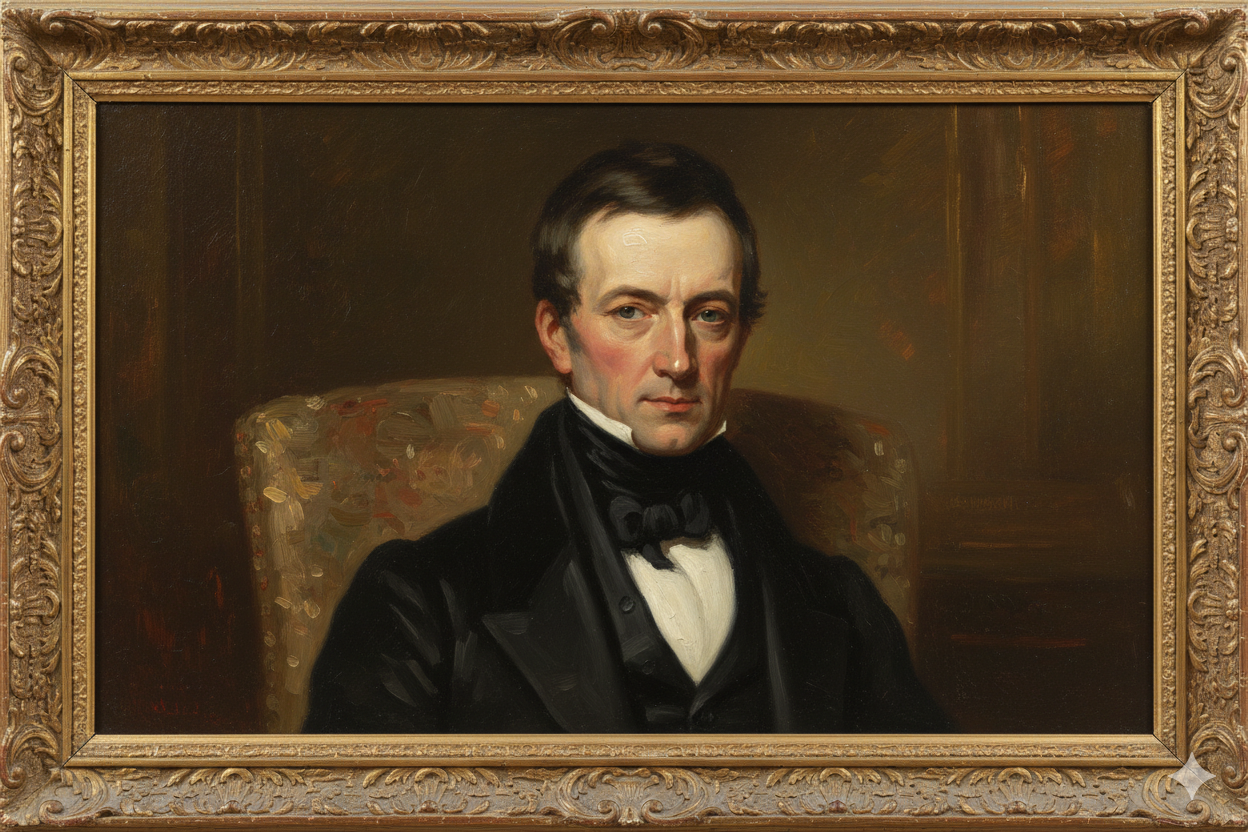
Peter Mark Roget (January 18, 1779–September 12, 1869) was an English physician, philologist (meaning a person who loves literature and learning), and, later, lexicographer. In his early life he studied medicine at the University of Edinburgh in Scotland. After graduation, he worked as a private physician and tutor, and later as a secretary of the Royal Society of London for Improving Natural Knowledge (and independent scientific academy in the United Kingdom).
Although he had a notable career in the medical field for many years, he didn’t create the work he is best known for until after his retirement in 1840. Notorious for his love of making lists, he took his personal compilations of words and their synonyms (he called it his “little collection”), which he’d kept for his personal use, refined it, and had it published in 1852 as A Thesaurus of English Words and Phrases, classified and arranged so as to facilitate the Expression of ideas and assist in Literary Composition. His thesaurus (with a simpler title, of course) remains the most well‑known in the world and has never been out of print.
Roget’s Thesaurus has been published on its own (in forms such as a version for students, a pocket thesaurus, an international version, etc.), and has also been combined with Bartlett’s Familiar Quotations, the most widely distributed reference book of quotations first published in 1855 by John Bartlett, and American writer and publisher.
What Is the Difference Between a Dictionary and a Thesaurus?
A dictionary is a compilation of words with their meanings, along with other information such as their pronunciation, etymologies, functions (noun, verb, adjective, etc.), and syntactic and idiomatic uses. It is organized in alphabetical order. You use a dictionary when you come across an unfamiliar word.
A thesaurus (which comes from the Greek word for “treasure”) is also a collection of words, but instead of the information in a dictionary it supplies synonyms (words that have a similar meaning to the original word) and antonyms (words that have the opposite meaning of the original). It is usually organized by subject or concept. You use a thesaurus when you want to find a word that better fits with what you want to say.
Why Should You Use a Thesaurus?
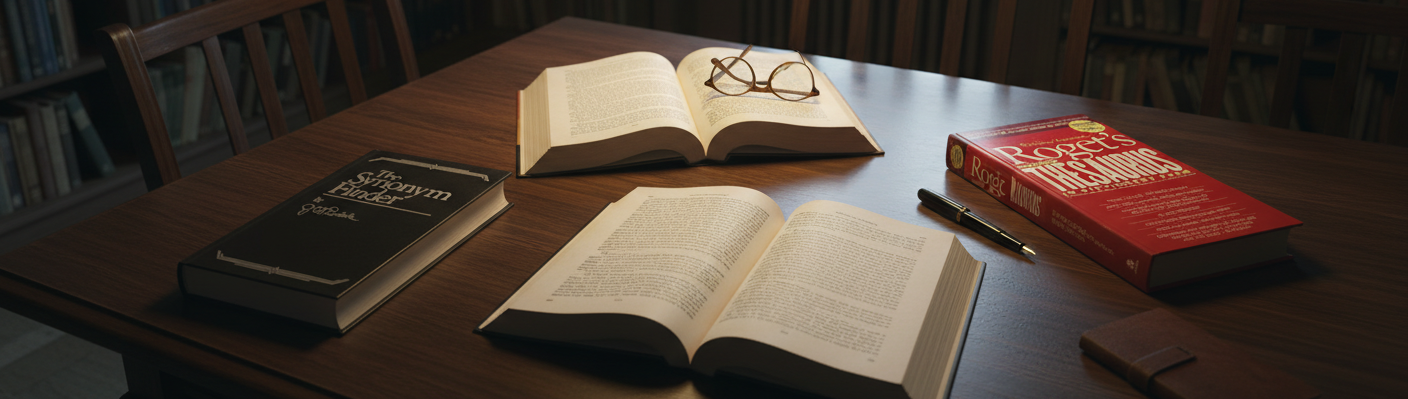
You’ll eliminate redundancy, add clarity, and increase reader engagement. The word “happy” is a broad one—could you get closer to your real meaning when you use “overjoyed,” “ecstatic,” “pleased,” “joyful,” “cheerful,” or “glad”? It can also help you use fewer words: change “need to” to “must.”
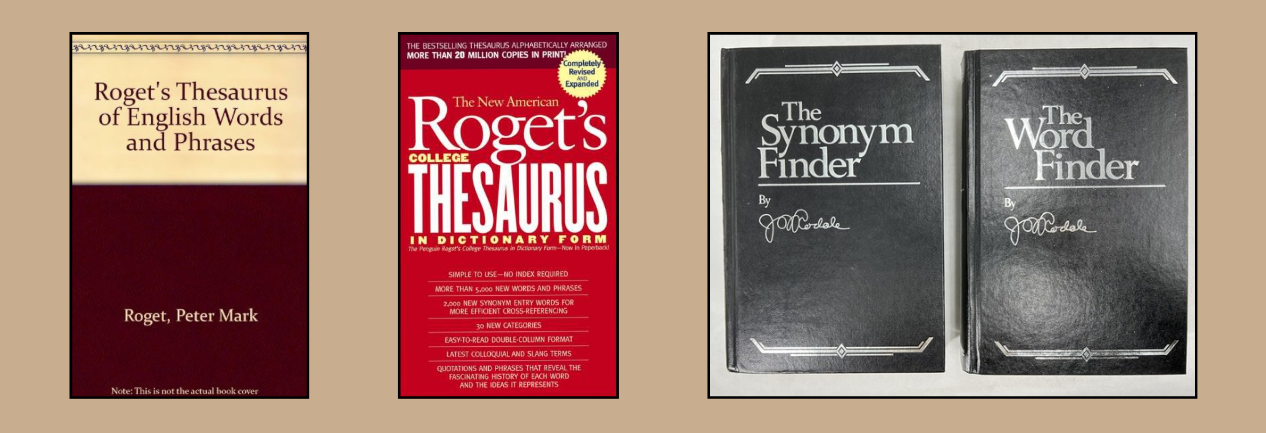
There are so many ways to enrich your prose—check out these thesauruses!
Back to Stet Happens: All Things Editorial home.
Do you have questions or concerns about editorial matters? Share them with us!
PAI Consulting | Helping you succeed. Learn more.
Any opinions expressed in this article are those of the author and not the opinion of PAI Consulting. In addition, this article may contain links to third-party websites. PAI Consulting does not endorse or make any representations about them, or any information, software, or other products or materials found there, or any results that may be obtained from using them.
We welcome thoughtful and respectful discussion.
To keep this space safe and productive, please follow these guidelines:
Be respectful. Personal attacks, name-calling, and abusive language will not be tolerated.
Stay on topic. Keep comments relevant to the content of the post.
No spam or self-promotion. Links and promotions that are not relevant to the discussion will be removed.
Use appropriate language. This is a professional environment—please avoid profanity or offensive language.
Protect privacy. Don’t share personal information—yours or anyone else’s.
You may reply to, like, or flag other comments.
Comments are moderated and may be edited or removed at our discretion.
By commenting, you agree to abide by this policy.